
The Luck Factor: Are Casinos Truly Random?
One of the most pervasive myths surrounding casinos is the belief that winning is purely a matter of luck. While luck does play a role, particularly in games like slot machines and roulette, it’s essential to understand that casinos operate on probabilities and statistics. Every game has a built-in house edge, which means that over time, the casino is statistically more likely to win than the player. This doesn’t eliminate the chance of winning, but players should remember that the odds are not always in their favor, especially when they log into their accounts at rocket casino login to place their bets. The thrill of gambling can often overshadow this reality, leading players to believe that luck is their primary ally.
Moreover, the randomness of games is facilitated through complex algorithms and systems that ensure fairness. For instance, slot machines use Random Number Generators (RNG) that create thousands of outcomes per second, ensuring that each spin is independent of the last. This means that while one may win big occasionally, expecting consistent wins based on previous outcomes is a common misconception. Understanding this can help players have a more realistic approach to gambling. It’s crucial to manage expectations and recognize that while luck plays a role, skill and strategy can also influence outcomes in certain games.
Additionally, many players fall into the trap of believing in “hot” or “cold” machines, attributing patterns based on perceived luck. However, each spin of a slot machine is entirely random and unaffected by prior results. Recognizing this fact can prevent players from making emotionally influenced decisions and keep their gaming experience enjoyable rather than frustrating. By focusing on enjoying the experience rather than fixating on winning, players can maintain a healthier relationship with gambling and reduce the chances of falling into the cycle of chasing losses.
The Myth of the Gambler’s Fallacy
The Gambler’s Fallacy is a belief that past events will influence future outcomes in a random game. For example, players may think that if a particular number hasn’t come up in roulette for a while, it is due to appear soon. This fallacy can lead to misguided betting strategies and increased losses. In reality, each spin or roll is independent, and the odds remain constant regardless of previous outcomes. This misunderstanding can skew a player’s perception of probability and their approach to betting. Recognizing that each game operates independently is vital for informed decision-making at the tables.
Many seasoned gamblers warn against counting on past results to forecast future wins, yet the allure of patterns is hard to resist. This myth becomes particularly dangerous in high-stakes environments, where players might wager larger sums under the illusion that a win is “due.” Recognizing the independence of each game event is crucial for managing a budget and playing responsibly. Players should be educated about the nature of randomness in gambling to avoid the pitfalls associated with this fallacy.

By educating players about the psychological traps linked to the Gambler’s Fallacy, casinos can encourage a more informed approach to gambling. A good strategy is to treat each game as a separate event rather than connecting outcomes based on a perceived pattern. This mindset not only fosters more enjoyable gameplay but also promotes responsible gambling practices, which are essential in preventing problem gambling. Ultimately, understanding the Gambler’s Fallacy empowers players to make better decisions and enhances their overall experience.
Understanding House Edge and RTP
The terms “house edge” and “Return to Player” (RTP) are crucial for anyone looking to understand how casinos generate profit and how players can maximize their experience. The house edge is the mathematical advantage that the casino has over players in a given game, expressed as a percentage. For instance, if a game has a house edge of 5%, it means that, over time, the casino will keep 5% of all bets made. This does not mean that players cannot win; rather, it indicates the inherent risk of the game. A thorough understanding of these concepts is essential for responsible gambling.
RTP, on the other hand, refers to the percentage of money wagered that a game will theoretically return to players over time. A game with an RTP of 95% is expected to return $95 to players for every $100 wagered, on average. However, this return is calculated over long periods and numerous plays, so individual outcomes will vary significantly. Understanding these concepts helps players make informed decisions about which games to play and how much to wager. The long-term focus on RTP can guide players toward games that offer better returns on average.
Players often assume that games with higher payouts are more favorable, but it’s essential to consider the house edge along with the RTP. Some games may have a high RTP but a low chance of winning large payouts, while others may present the opposite scenario. By analyzing both metrics, players can choose games that align better with their risk tolerance and gaming objectives, leading to a more satisfying casino experience. This knowledge can help players develop a strategy that balances enjoyment and the potential for winning.
Strategies for Winning: Are They Reliable?
The internet is flooded with tips and strategies that promise to improve players’ chances of winning at casinos. From betting systems to card counting techniques in blackjack, many enthusiasts believe they possess the secret sauce for consistent winnings. However, it’s essential for players to approach these strategies with a critical eye. While some strategies may offer advantages in specific situations, there is no foolproof method for guaranteeing success in games of chance. Players must be cautious about relying too heavily on these strategies.
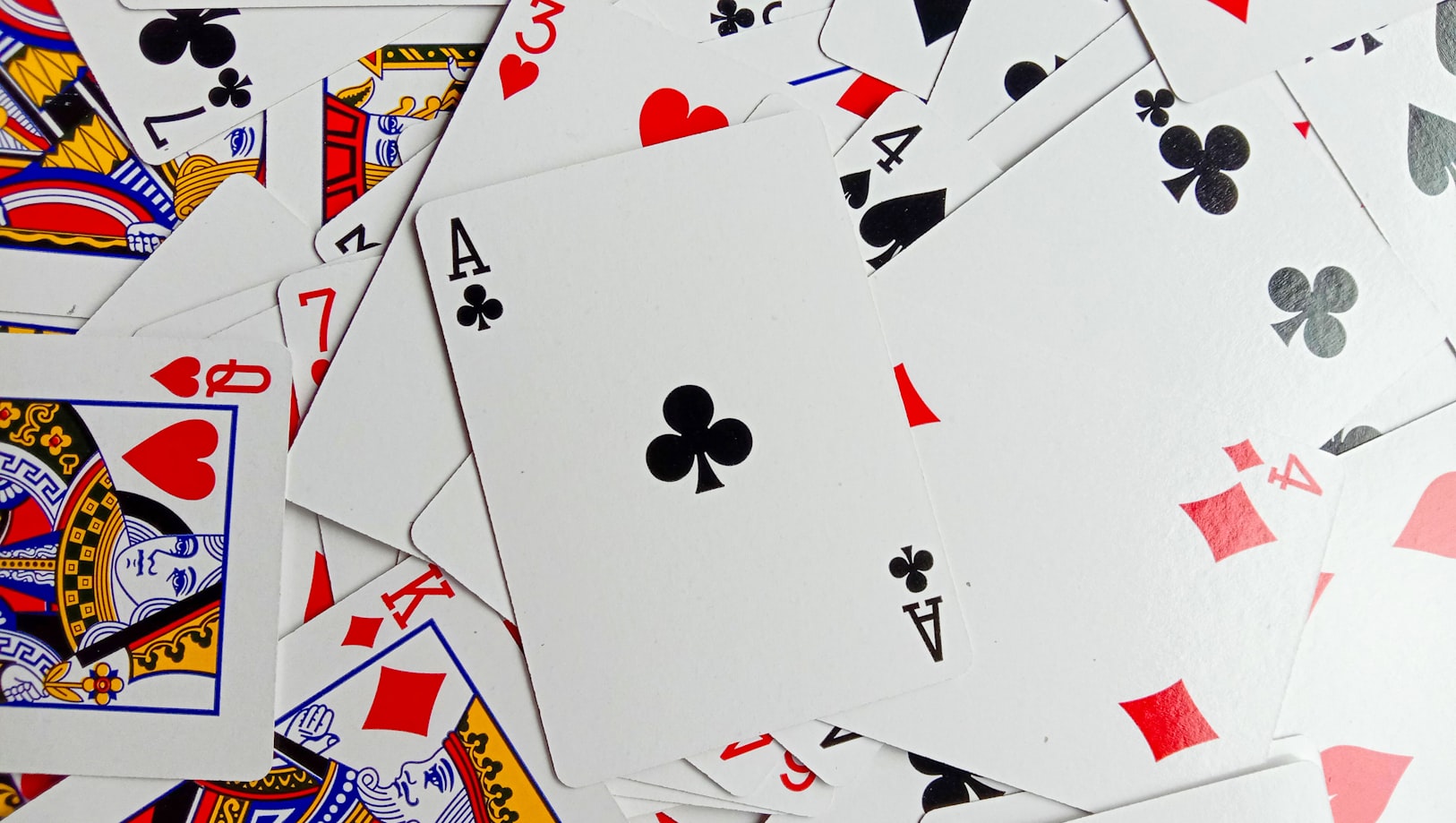
Betting systems, such as the Martingale, suggest that players can recover losses through increasing bets after each loss. Though this may work in the short term, it can quickly lead to substantial financial risk and even the possibility of hitting table limits. In games governed by chance, like slots, there is little room for effective strategies, and players should be cautious of believing that they can manipulate outcomes simply through methods alone. The expectation of guaranteed wins can lead to disappointment and financial distress.
Education and understanding of the games’ mechanics are more valuable than any betting strategy. Knowing the rules, odds, and payouts allows players to make smarter choices during their gameplay. A well-informed player is often in a better position to enjoy the experience and potentially maximize their chances of winning while still recognizing the entertainment aspect of gambling. Emphasizing that gambling should be fun rather than a means to an end can help players maintain a healthy perspective.
Connecting with Responsible Gambling Practices
Responsible gambling is an essential aspect of enjoying the casino experience. The misconceptions surrounding gambling can lead to reckless behavior, emphasizing the need for education and awareness. Casinos are making strides in promoting responsible gambling by offering resources, tools, and support for players. Understanding one’s limits and recognizing potential problem signs are crucial for maintaining control over one’s gambling habits. By fostering a culture of responsibility, casinos can enhance the overall gaming experience for all patrons.
Many casinos offer features such as self-exclusion options, deposit limits, and time-outs that help players manage their gaming experience. These tools empower individuals to set parameters for their play, reducing the likelihood of developing gambling-related issues. Education about responsible gambling practices should be a priority for both casinos and players, fostering a healthier gambling environment. Encouraging open discussions about gambling risks can further promote awareness and understanding.
Players should also engage in open conversations about gambling and its risks. Sharing experiences and resources can help create a supportive community where individuals can seek assistance if needed. Ultimately, embracing responsible gambling practices is vital for ensuring that the entertainment aspect of casinos remains enjoyable and safe for everyone involved. A collective effort towards responsible gambling helps create an environment where players can enjoy their time without falling into harmful patterns.
