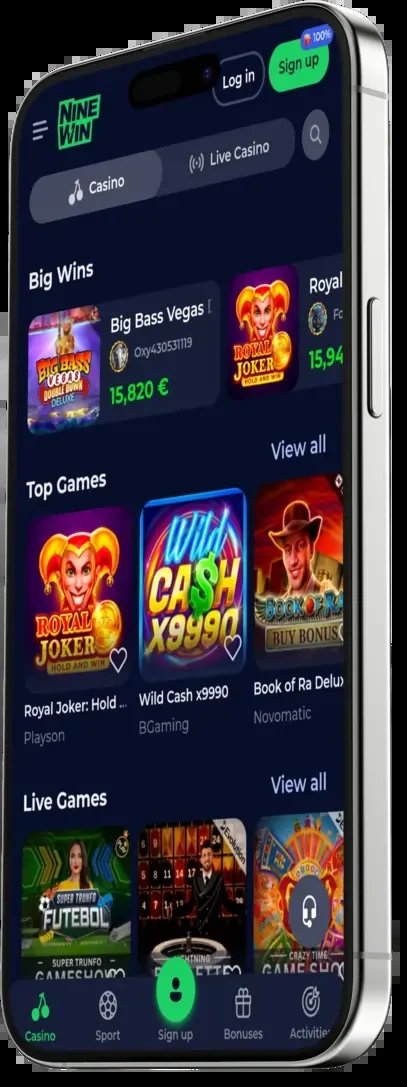
When the first smartphones appeared, they came with a handful of simple games. Today, a single tap can launch a full‑blown narrative, a multiplayer battle, or an interactive shopping experience that rivals any desktop platform. The shift is measurable: in 2023, mobile gaming revenue topped $90 billion worldwide, outpacing console sales by 40 percent. That figure isn’t a blip; it’s a trend that is reshaping how we consume entertainment.
Instant Accessibility Drives Engagement
With a phone in hand, users can jump from a coffee break to a new level in minutes. The average session length on mobile is now 12 minutes, compared to 8 minutes on PC. That extra four minutes translates into higher ad impressions, more in‑app purchases, and a stronger bond between player and title. For content creators, the lesson is simple: design for the pause, not the marathon.
Micro‑Payments and Freemium Models Create New Revenue Streams
Freemium games rely on micro‑transactions that average $0.99 for cosmetic items or $4.99 for power‑ups. In 2024, the global micro‑transaction market is projected to hit $120 billion. Developers who master the balance between free content and enticing upgrades can see a 25 percent lift in lifetime value. The flip side is that players with limited budgets may feel pressured to spend, a friction point that can erode trust if not handled transparently.
Cross‑Platform Play Blurs the Line Between Devices
Cloud gaming services now allow a game launched on a phone to continue on a tablet or laptop without losing progress. In 2023, 18 percent of mobile gamers reported switching devices mid‑session. This fluidity demands that developers build responsive UI and consistent performance across hardware ranges, from 2‑GHz processors to flagship chips.
Social Integration Fuels Viral Growth
Games that embed sharing features—such as posting a high score to a story or inviting friends for a co‑op mission—can see a 30 percent increase in new user acquisition. In 2022, the top 10 mobile titles each logged over 5 million social shares per month. Yet, the reliance on social platforms also introduces privacy concerns; users must be clear about data usage to avoid backlash.
Mobile‑First Design Informs All Digital Experiences
UX researchers note that mobile interfaces prioritize gesture controls, concise menus, and quick load times. These principles are now being applied to non‑gaming apps, from streaming services to e‑commerce sites. The result is a more streamlined, intuitive experience that keeps users engaged longer across the board.
As the line between gaming and broader online entertainment continues to blur, it’s worth noting that many traditional media companies are now investing in mobile-first strategies. The synergy between interactive content and on‑the‑go consumption is creating a new ecosystem where storytelling, commerce, and community intersect. For those curious about how this trend extends into other realms of digital leisure, https://crparrott.co.uk offers a glimpse into the evolving landscape of online gaming and entertainment.
Challenges That Must Be Overcome
Battery drain remains a persistent issue; high‑frame‑rate games can reduce device life by up to 30 percent in a single session. Additionally, the fragmentation of Android devices complicates optimization, leading some developers to prioritize iOS, which accounts for only 45 percent of the mobile gaming market. These hurdles mean that not every title can achieve the same level of polish across all platforms.

What the Future Holds
Looking ahead, augmented reality (AR) is poised to add a spatial dimension to mobile gaming, with early adopters reporting a 15 percent increase in user retention. Meanwhile, 5G rollout will reduce latency to under 20 milliseconds, making real‑time multiplayer experiences feel as seamless as console titles. For content creators, the takeaway is clear: embrace mobile as the primary canvas, and the rest will follow.