
The Allure of Risk and Reward
The psychology behind risk-taking in casinos can be remarkably intricate. Gamblers are often drawn to the thrill of potential reward, which taps into fundamental human emotions such as excitement and hope. These emotions can lead individuals to take risks they might otherwise avoid in more mundane situations, especially when they explore online casino sister sites that promise even greater rewards. The anticipation of winning a jackpot or scoring big often overshadows the downside of potential losses, creating a compelling narrative that fuels continued engagement with gambling activities.
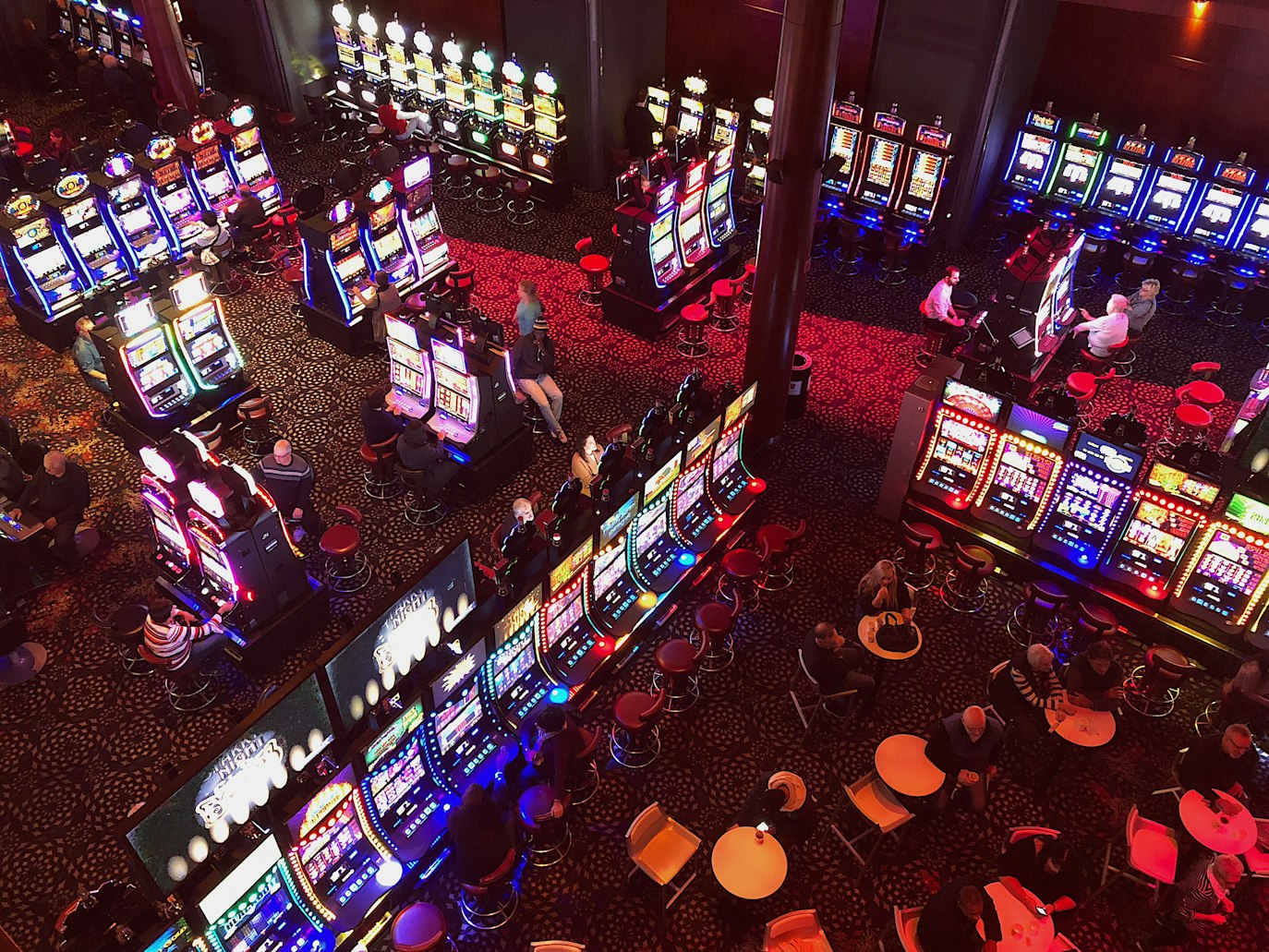
This allure is not merely a product of chance; it is carefully cultivated by the casino environment. The use of vibrant colors, engaging sounds, and strategic lighting enhances the excitement, immersing players in a world designed to amplify their emotional responses. As players experience wins, even if they are small, their brains release dopamine—known as the “feel-good” neurotransmitter—reinforcing the behavior and encouraging further risk-taking. Over time, this cycle can lead individuals to become desensitized to losses while craving the immediate gratification of wins.
Moreover, societal and cultural factors play a significant role in influencing the perception of risk within gambling contexts. In many cultures, participating in games of chance is seen as an adventurous pursuit, often romanticized in movies and media. This societal validation can make individuals more willing to embrace risk at the gambling tables, perceiving it as a form of entertainment rather than a detrimental habit. Recognizing the line between healthy enjoyment and dangerous behavior is crucial to understanding the broader implications of risk-tolerance in casino environments.
The Role of Cognitive Biases
Cognitive biases significantly influence how individuals perceive risk in casinos. One prominent example is the gambler’s fallacy, which is the belief that past events can influence future outcomes in random games. For instance, a player may think that after a series of losses, a win is due. This illusion of control can lead players to make irrational betting decisions, further entrenching them in the gaming environment as they chase losses under false pretenses.
Similarly, confirmation bias can skew players’ perceptions of their own abilities and strategies. Gamblers may only acknowledge wins and disregard losses, which reinforces their confidence in their decision-making. This selective attention can create an inflated sense of skill or luck, leading individuals to take on greater risks, often resulting in emotional distress when the inevitable losses catch up with them. Understanding these biases can be critical in recognizing patterns of behavior that can lead to problematic gambling habits.
Another fascinating aspect of cognitive biases in gambling is the concept of the near-miss effect. This phenomenon occurs when players come close to winning, which can trigger a sense of excitement and encourage further play. For example, if a player almost hits a jackpot but falls short, the thrill of the near-miss can be just as exhilarating as a win, often prompting them to continue gambling in pursuit of that elusive success. This psychological manipulation is fundamental in maintaining player engagement in a casino setting.
The Influence of Social Dynamics
The social aspects of gambling also play a critical role in risk-taking behavior at casinos. Many gamblers enjoy the camaraderie and shared experiences that accompany gaming, making it a social activity rather than a solitary pursuit. The presence of friends or acquaintances can elevate excitement levels, encouraging individuals to take larger risks as they seek to impress others or share in collective victories. This social reinforcement can create a feedback loop that amplifies gambling behavior.
Additionally, peer pressure can significantly impact an individual’s willingness to take risks. In group settings, the fear of missing out or the desire to fit in can compel individuals to engage in behavior they might otherwise avoid. For example, a player may feel pressured to increase their bets to align with their peers, leading to riskier decisions than they would make alone. Understanding these dynamics is essential for individuals who aim to maintain responsible gambling practices while navigating the social landscape of casinos.
The concept of social validation is also pertinent. When individuals witness others winning, it can bolster their belief in the possibility of victory, prompting them to take greater risks. Observing wins can skew one’s perception of probability, creating an environment where hope and excitement outweigh rational decision-making. This phenomenon underscores the importance of considering the social context in which gambling occurs, as it can heavily influence risk-taking behavior and contribute to the allure of casinos.
Understanding Emotional Triggers
Emotions are at the core of gambling behavior. The highs and lows associated with risk-taking evoke powerful emotional responses that can significantly affect decision-making. For many, the adrenaline rush that comes with placing a bet or spinning the reels can be intoxicating. This emotional stimulation often leads to the repeated pursuit of risk, with players chasing that initial high even when faced with losses. Recognizing these emotional triggers is vital for understanding the compulsion to gamble.

Moreover, stress and emotional turmoil can intensify gambling behavior. Individuals may turn to casinos as a coping mechanism, using gambling as an escape from life’s pressures. This can lead to increased risk-taking, as the emotional state of the player often clouds judgment. The cycle of using gambling as a means of stress relief can create a paradox, where the temporary escape leads to greater distress in the long run, resulting in a cycle of risk-taking that proves difficult to break.
It is also noteworthy to examine how casinos are designed to exploit emotional triggers. From the jubilant sounds of winners to the celebratory atmosphere, every element in a casino is strategically crafted to elicit emotional responses that encourage continued play. By understanding how emotions drive gambling behavior, stakeholders can work towards promoting responsible gambling initiatives that address these triggers and educate players on the potential consequences of excessive risk-taking.
Promoting Responsible Gambling Practices
With an understanding of the psychological factors influencing risk-taking in casinos, promoting responsible gambling practices becomes crucial. Education and awareness can empower gamblers to recognize the signs of problematic behavior and make informed decisions about their gaming activities. Casinos can play an influential role in this by providing resources and information to players, helping them understand the implications of their choices and the importance of self-regulation.
Additionally, implementing measures such as self-exclusion programs can help individuals manage their gambling habits effectively. These programs allow players to take a step back and reassess their relationship with gambling, giving them the tools needed to make healthier choices. Encouraging players to seek help and providing clear pathways to resources are vital in creating a safe gambling environment that prioritizes player well-being.
Ultimately, the collaboration between casinos, regulators, and players is essential in promoting responsible gambling. By fostering an environment that prioritizes education, awareness, and self-regulation, the industry can help mitigate the risks associated with gambling, transforming it from a potentially harmful activity into a safe and enjoyable form of entertainment for those who choose to partake. Through these efforts, the psychological underpinnings of risk-taking can be better understood, paving the way for a healthier approach to gambling.
